







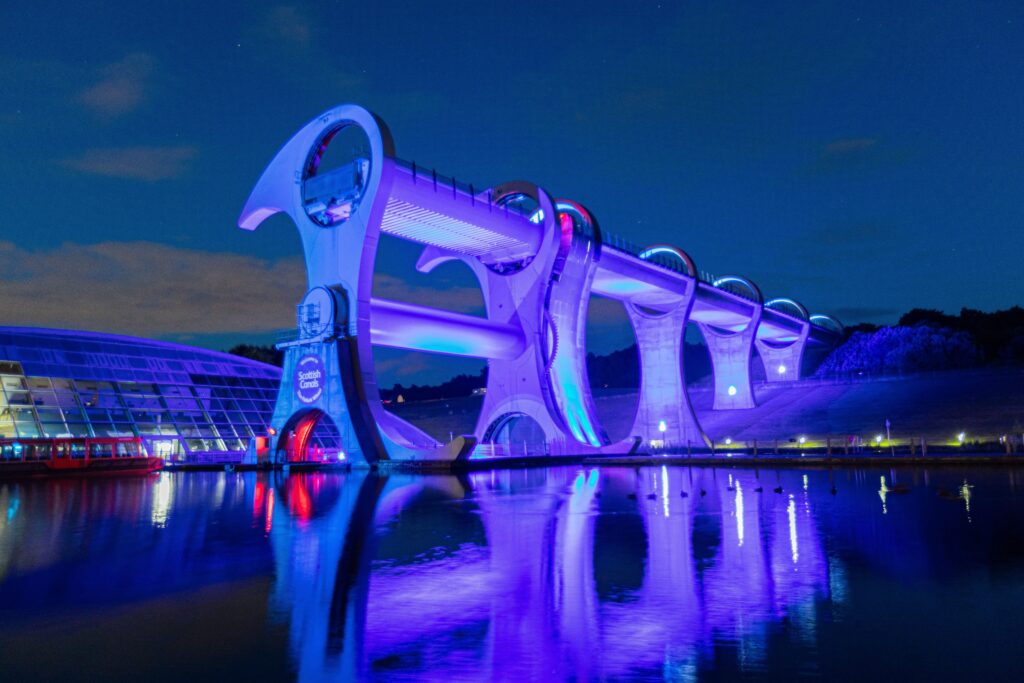
Some of Scotland’s most recognisable landmarks, including the Kelpies and Glasgow Science Centre, will light up blue on Monday 12 October for World Arthritis Day as Arthritis UK calls for a dedicated Scottish action plan for arthritis and musculoskeletal (MSK) conditions.
The illuminations will highlight the impact of MSK conditions on the 1.7 million people in Scotland who live with them — around one in three — many experiencing daily pain, fatigue and reduced mobility.
This year marks the 30th anniversary of World Arthritis Day and Arthritis UK’s 90th anniversary. It offers an opportunity to celebrate progress in research and support while highlighting how much work remains.
More than 4,500 people have signed the charity’s ‘Don’t Turn Your Back on Arthritis’ open letter to First Minister John Swinney, calling for a dedicated MSK Action Plan.
The proposed plan would help people get a diagnosis and support sooner, improve access to rehabilitation and supported self-management, and help them stay active and independent. It would also provide stronger national leadership and investment in MSK health.
Michaela Brown, 34, from Campbeltown, manages three forms of arthritis while raising her daughter as a single mum. She said:
“On World Arthritis Day, I want people to understand that arthritis affects younger people too. I’m 34, and it affects my work, my family life, and what I can do with friends.
“We need a dedicated MSK Action Plan for Scotland, covering earlier diagnosis, timely treatment, physiotherapy and support to stay active and in work. For those of us living in rural communities, it must also address the long journeys and practical difficulties of getting specialist care. We need support that reflects the everyday reality of living with arthritis.”
Lauren Bennie, Head of Arthritis UK Scotland, said:
“We are delighted to be celebrating our 90th anniversary and the progress we have made in research support and awareness over the last nine decades. However, for the 1.7 million people in Scotland living with a musculoskeletal condition, there is still plenty of work to be done. Arthritis remains one of Scotland’s few major health conditions without a dedicated strategy.
“Unfortunately, it is all too common to wait too long for a diagnosis, treatment, or the support people need to live independently. Lighting up these landmarks is a small way of saying to those experiencing this, you are not alone, and your voices are heard.
“We are calling on the First Minister to face the facts about arthritis and commit to Scotland’s first-ever MSK Action Plan.”
The campaign will continue throughout the autumn, with Arthritis UK also working to secure the first dedicated debate on arthritis in the Scottish Parliament.
The landmarks taking part are:
- University of Glasgow Tower
- Glasgow Science Centre
- Ness Bridge
- The Falkirk Wheel
- The Kelpies
People can add their names to the open letter and call on the First Minister to face arthritis head-on at:
Case study: Rebecca Murray, 25, Edinburgh
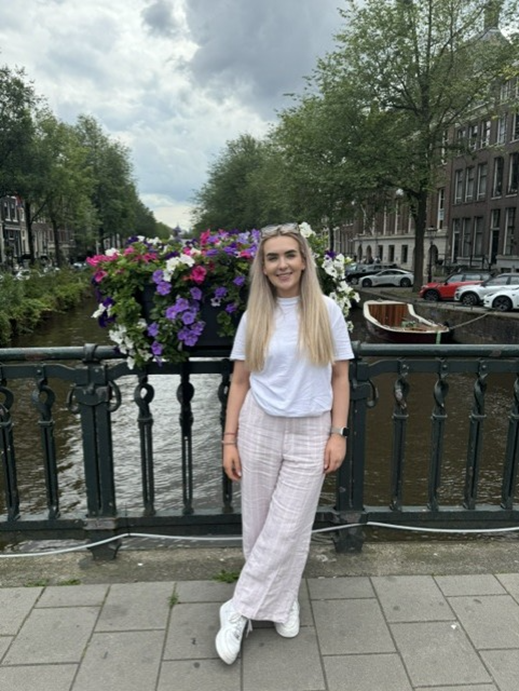
Diagnosed as a teenager, now taking on marathon challenges
Edinburgh nurse Rebecca Murray was 12 when she woke with a hot, swollen elbow. Initially dismissed as a swimming injury, her symptoms led to a year of appointments and unsuccessful treatments before she was diagnosed with juvenile idiopathic arthritis.
Pain and fatigue forced her to give up competitive swimming, while at school she often had to fight for support.
“At such a young age, it felt like I’d lost a big part of who I was after my diagnosis,” she said. “It’s an invisible illness that many people wrongly associate with older age.”
Originally from Aberdeenshire, Rebecca found support through Arthritis UK’s Young People and Families Service, which connected her with others facing similar challenges.
“At times, I have felt pretty hopeless with my condition, but the friends and connections I made through Arthritis UK really helped change not only my outlook on my condition, but the outlook on my life.”
In April 2026, having started running just a year earlier, Rebecca took on the London Marathon for Arthritis UK — an extraordinary challenge after periods when she struggled to walk.
Her experience highlights the impact of arthritis on young people and the importance of timely diagnosis, treatment and support.
Case study: Michaela Brown, 34, Campbeltown
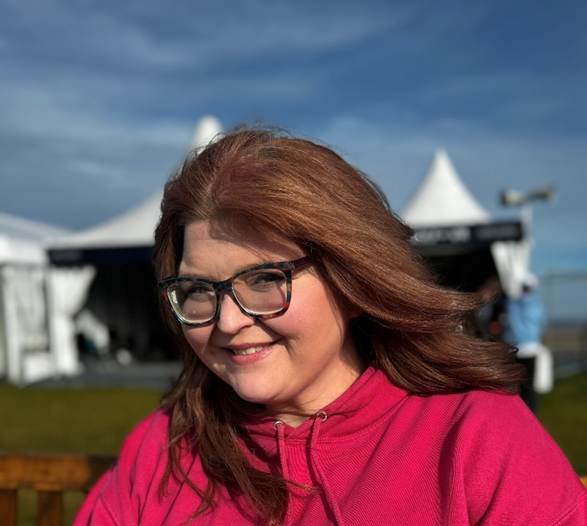
Three forms of arthritis and long journeys for specialist care
Michaela Brown, 34, is raising her daughter as a single mum while managing three forms of arthritis. Diagnosed with gout at 23, then rheumatoid arthritis and osteoarthritis at 31, she faces challenges at work, at home and accessing care.
She travels from Campbeltown to Glasgow for specialist appointments. After breaking her leg, she could no longer drive and had to rely on public transport.
“When I couldn’t drive, getting from Campbeltown to Glasgow by public transport meant longer days away from home and extra childcare for my daughter. Having a scan in one hospital and an appointment in another adds to the difficulty.”
Arthritis in her ankle complicated treatment and limited her surgical options. It also restricts everyday activities, from holidays to joining friends on hillwalks.
“Sometimes I have to start work from bed with my laptop until my body is ready to get moving. My friends are climbing Munros and hillwalking, and I can’t join them.”
Now a Regional Officer with Arthritis UK Scotland, Michaela supports others through information sessions and self-management courses.
This World Arthritis Day, she is backing calls for an MSK Action Plan that improves treatment and support, including access to specialist care for rural communities.