
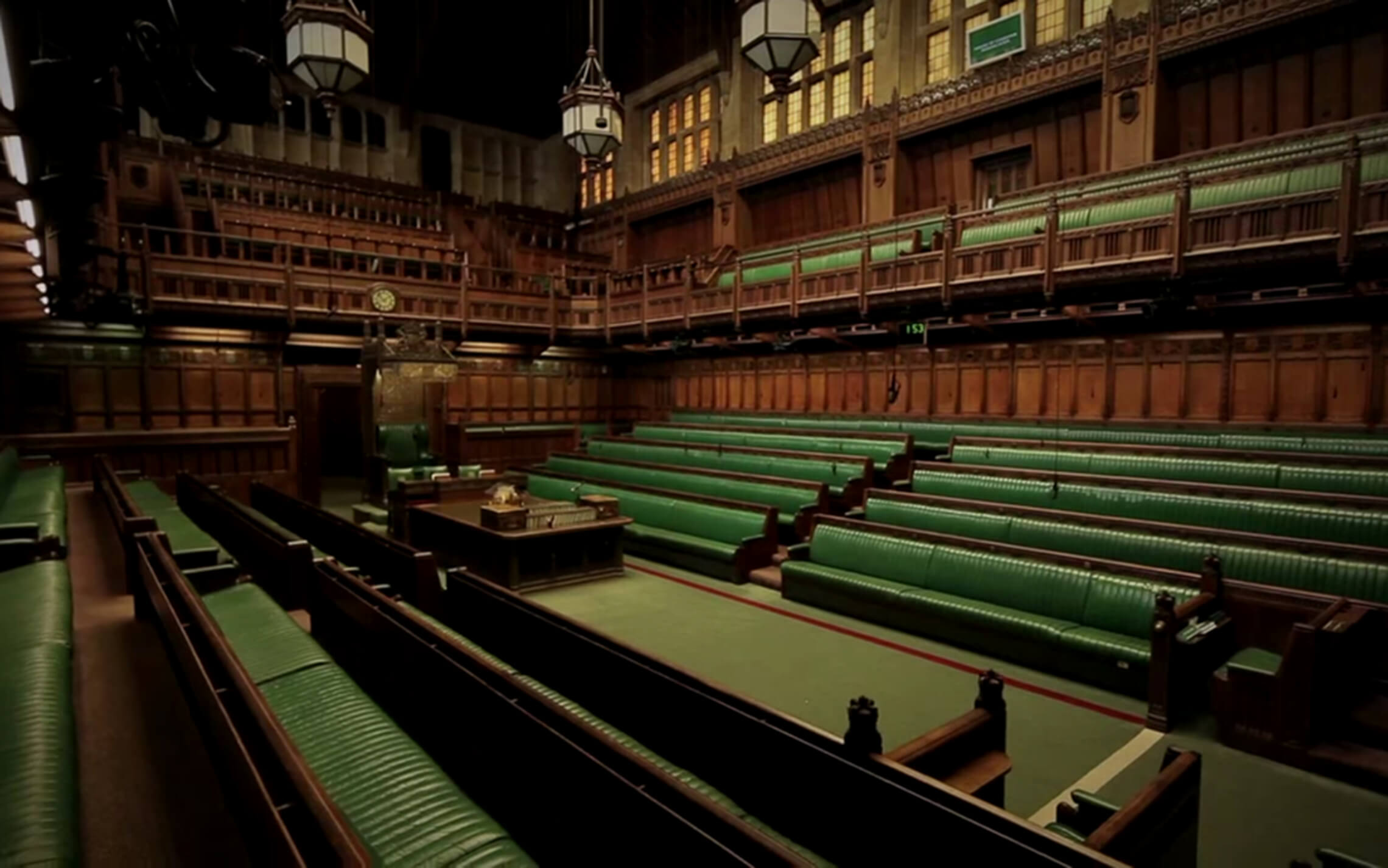
Chancellor Jeremy Hunt may have had more reason to be cheerful than he expected to as he unveiled the contents of his red box in the Commons yesterday. Perhaps he even reconsidered his decision to eschew the Chancellor’s privilege of having a boozy beverage in the Chamber before getting to his feet?
Recent economic data from the Office of Budget Responsibility showed that the UK is expected to avoid a widely anticipated recession and that inflation is due to fall from an eye-watering 10.7 percent to an eye-twitching 2.9 percent in 2025, with a further 0.4 percent fall forecast for 2026.
While debt is still expected to rise and the economy as a whole predicted to contract, the setting against which Britain’s tax and spend plans were revealed was certainly more palatable to the Government benches than it has been in recent years.
Mr Hunt took full advantage of this of course, taking shots at the Opposition, much to the delight of the MPs sat behind him and ire of those sat across.
What followed was indicative of a Chancellor looking to put the controversy of his predecessor’s time at the despatch box behind him and his party, as a pattern of measures suggesting both caution and mild optimism emerged.
Top of the list was a commitment to limit family fuel bills to £2,500 for a further three months and an additional £200million to balance out the difference between prepayment meters and those paying by direct debit. Also on energy, Mr Hunt announced that nuclear power was to be reclassified as “environmentally sustainable” and dedicated more funding to be used to back it.
Going further on nuclear, much to the chagrin of some of his opponents and other organisations, the Chancellor also announced the creation of Great British Nuclear, which, he said, would help secure the UK’s energy supply.
Another key commitment was to a roll out, from April 2024, of 30 hours of free childcare for working parents in England who have one and two-year-olds. Families are also set to benefit from childcare support in advance, rather than in arrears as they do at the moment, and from a rise in the per child cap of £305.
The most adventurous part of the Budget came when the Chancellor turned his attention to the workforce. He announced a swathe of measures designed to get people back to work, including abolishing the work capability assessment, increasing the annual allowance on pensions to £60,000 and scrapping the lifetime limit on pension earnings.
All this, Mr Hunt claimed, was done in the name of keeping people in work and attracting those, such as healthcare workers, who had retired back into the workplace.
In addition to the five priorities that Prime Minister Rishi Sunak had set out for his government, the Chancellor focused very much on the letter “E” in his statement – claiming that his plans would revolve around Employment, Enterprise, Education, and Everyone.
In Enterprise terms, this was an increasingly tech-focused budget; with £1.8billion of research and development tax credits, £900million for an AI supercomputer, and £20billion for carbon capture projects all up for grabs. Non-tech businesses too saw a share of the £25billion in business tax cuts that followed.
However, critics, including Conservative MP and former Business Secretary Jacob Rees-Mogg, have hit out at the sting in the tail for business; a rise in Corporation Tax.
Closer to home, the Scottish Government will receive an additional £320million in Barnett consequentials and Scotland will host one of the UK Government’s 12 Investment Zones, with most of the remainder in England.
Also north of the border, the Edinburgh Festivals can look forward to an extra £8.6million this year, following concerns expressed locally about support for the arts and culture. Meanwhile, the Cloddach Bridge, near Elgin, was announced as the recipient of £1.5million of UK Government money for repairs. This last announcement was praised on the Tory benches but was elsewhere accused of being a cynical ploy, given that it sits in Scottish Tory leader Douglas Ross’ own Moray constituency.
Smokers were once again asked to stump up more cash for their habit, with the price of a pack set to rise by 15 percent.
For drinkers, the news was a little more mixed. For those who prefer their booze from Wetherspoons rather than Waitrose, there’s good news as a pint of beer or cider in pubs will be 11 percent lower than if it was bought in the shops as part of the “Brexit pubs guarantee.” In a speech not exactly replete with zingers, the Chancellor quipped, “British ale is warm but the duty on a pint is frozen.”
However, it wasn’t quite all popping champagne and whisky corks, with duty on booze due to rise by 10.1 percent in August, following a freeze at the peak of the cost of living crisis. Whisky producers in particular have been scathing of the rise in prices they will face, accusing Mr Hunt of delivering an “historic blow” to their industry.
The debate in Parliament continues and there will be thousands of opinions, comment pieces, blog posts, and other views put forward on it but the overall impression is of a cautious Chancellor trying balance the challenges of fuel costs, supply chain issues, government revenues, and the ongoing difficulties facing the workforce while still retaining some positivity.
Whether Mr Hunt’s measures work or not remains to be seen, but for now, while it’s not exactly party time there may be some reason to be optimistic…ish.